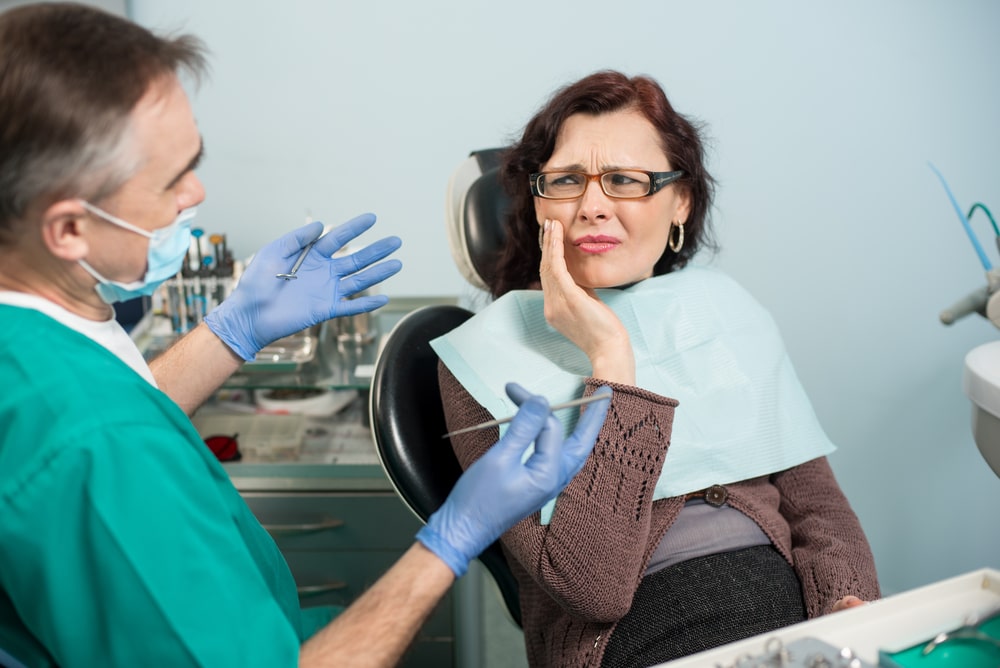
As we age, our oral health needs evolve, and seniors face unique challenges when it comes to endodontic care. At Irvine Endodontics in Irvine, CA, many older patients require specialized attention due to changes in tooth structure, gum health, and overall medical conditions. Over time, teeth naturally become more brittle and may develop cracks or wear, making them more susceptible to infections that affect the pulp.
Seniors are also more likely to experience gum recession, reduced saliva production, and a history of dental restorations that can complicate treatment. These factors increase the likelihood of root canal infections, abscesses, or other complications if not addressed promptly. Understanding these challenges is crucial to ensuring seniors receive effective care that preserves both oral health and quality of life.
Additionally, medications commonly prescribed to older adults can impact oral health by reducing saliva or affecting healing. Recognizing these interactions helps guide endodontic decisions and ensures treatments are safe and effective for seniors.
Treatment Considerations for Older Adults
Endodontic treatment in seniors requires careful planning and attention to detail. Procedures such as root canal treatment are often performed to save natural teeth and prevent the need for extractions or dentures, which may be more challenging for older patients. Tooth preservation is particularly important for maintaining proper chewing, speech, and overall nutrition.
For seniors with dental anxiety, discomfort, or medical conditions that make longer procedures difficult, sedation options can provide a comfortable experience while allowing precise treatment. Minimally invasive approaches, including laser root canal treatment, can reduce procedure time, improve accuracy, and support faster recovery, which is especially beneficial for older adults.
Regular dental checkups become increasingly critical with age, as early intervention can prevent complications. Detecting small cavities, pulp infections, or other issues before they escalate can minimize the need for extensive procedures and reduce stress on the patient’s overall health.
Health Implications and Preventive Care
Maintaining oral health in seniors is not just about teeth—it’s closely linked to overall wellness. Untreated dental infections can exacerbate systemic conditions such as diabetes, cardiovascular disease, or compromised immune function, all of which are more common in older adults. Ensuring infections are addressed promptly can help prevent these complications and protect overall health.
Preventive measures, including regular dental hygiene, early treatment of decay, and monitoring for signs of infection, are essential. Seniors should watch for persistent pain, swelling, sensitivity, or changes in tooth color, which may indicate the need for professional care. Awareness and timely action can preserve natural teeth and reduce risks to general health.
Supporting Comfort and Quality of Life
Endodontic care for seniors also emphasizes comfort and accessibility. Procedures tailored to the needs of older adults ensure that they can receive necessary treatment without added stress or discomfort. This approach supports not only oral health but also quality of life, allowing seniors to eat, speak, and socialize comfortably.
Understanding the unique needs of senior patients is essential for providing safe and effective care. Irvine Endodontics in Irvine, CA, highlights the importance of proactive dental care for older adults. By recognizing challenges, considering medical history, and employing precise treatment methods, seniors can maintain oral health and overall well-being well into their later years.
Resources:
- American Association of Endodontists. (2021). Endodontic Considerations for Older Adults.
- Preshaw, P. M., & Taylor, J. J. (2011). How has research into cytokine interactions and inflammation advanced our understanding of periodontitis? Journal of Clinical Periodontology.
- Dye, B. A., Thornton-Evans, G., Li, X., & Iafolla, T. (2015). Dental caries and tooth loss in adults in the United States, 2011–2012. NCHS Data Brief.