
Athletes push their bodies hard, and sometimes that means a broken or damaged tooth. From contact sports to weekend games, dental injuries happen fast and hurt even faster. Knowing what to do in the first few minutes can save a tooth. This blog covers everything athletes need to know about sports-related tooth injuries, when to get help, and why waiting is never a good idea.
What to Do When a Game Turns Into a Dental Emergency
Almost 39% of all dental injuries happen during sports activities. That’s not a small number. Whether you play professionally or just shoot hoops on weekends, your teeth are more at risk than you might think.
A hard fall, an elbow to the face, or even a stray ball can crack, chip, or knock out a tooth completely. The good news is that fast action and the right care can make all the difference. If you’re in Southern California, knowing where to find a 24-hour endodontist in Irvine, CA could literally save your smile.
The Types of Dental Injuries Athletes Face Most Often
Not all sports-related dental injuries look the same. The most common types include cracked teeth, chipped enamel, fractured roots, and complete tooth avulsion, which is the medical word for a tooth being knocked out entirely. A cracked tooth may not bleed, but the pain when biting down or drinking something cold is a clear warning sign. Fractured roots only show up on X-rays.
There’s pulp damage, where the inner nerve gets injured from impact and may not hurt for days, which is exactly why so many sports injuries end up needing root canal treatment later.
Why Athletes Are at Higher Risk Than They Realize
Contact sports like basketball, football, and martial arts carry obvious risks, but even non-contact sports cause dental injuries. Cyclists fall. Gymnasts tumble. Runners trip. The jaw absorbs an enormous amount of force in these moments.
In addition, athletes who clench their teeth during intense effort are already stressing their enamel before any accident happens. Mouthguards help, but many athletes skip them. A study found that athletes without mouthguards are 60 times more likely to suffer a dental injury. That risk simply isn’t worth taking.
The First 15 Minutes After a Dental Injury Matter Most
Speed is everything after a tooth injury. If a tooth gets knocked out, pick it up by the crown, not the root, rinse it gently, and place it back in the socket if possible. If not, store it in milk or saline and get to a specialist immediately.
A tooth has the best survival chance if re-implanted within 30 to 60 minutes. For a cracked tooth, rinse with warm water, apply a cold compress, avoid biting on that side, and skip aspirin if there’s bleeding.
When a Root Canal Becomes Necessary for Sports Injuries
Many athletes hear “root canal” and immediately feel nervous. But root canal treatment is not the enemy. It’s actually what saves a tooth from being lost entirely. When the pulp, the inner tissue and nerves inside the tooth, gets damaged from trauma, bacteria can move in quickly. Infection spreads fast in a warm, enclosed space like a tooth.
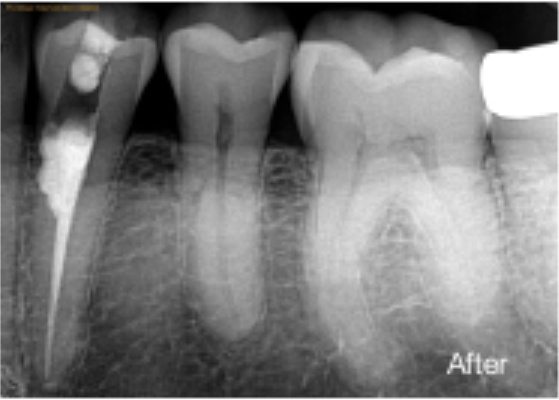
A root canal removes the damaged pulp, cleans the inside of the tooth, and seals it so infection can’t return. Most patients say the procedure itself feels no worse than getting a filling. The relief afterward is usually immediate. For athletes, saving a natural tooth means a faster return to normal life, better biting function, and no need for implants or bridges down the road.
Playing Through Pain Is Never the Answer
Athletes are trained to push through discomfort. But dental pain is a signal, not a test of toughness. Ignoring a cracked or damaged tooth can lead to a full abscess, spreading infection, and in rare cases, serious health complications. A dental abscess near the root of a tooth can swell quickly and even affect the jaw or nearby tissues.
In addition, untreated nerve damage inside a tooth can quietly turn into a larger problem that’s much harder and more expensive to fix later. The smarter move is always to get checked out fast. If it turns out to be minor, you’ll know in an hour. If it’s serious, catching it early saves time, money, and a lot of pain.
Protection Strategies Every Athlete Should Know
Prevention is always better than emergency care. Here are a few practical steps every athlete should take to protect their teeth:
- Wear a custom-fitted mouthguard for any contact or high-impact sport. Store-bought guards offer some protection, but a custom one fits better and stays in place.
- Get a dental check-up before your season starts. A weak tooth or untreated cavity is far more likely to crack under pressure.
- Tell your dentist you’re an athlete. Some athletes clench or grind during competition without knowing it, and a dentist can spot the signs early.
- Helmet and face shield use is non-negotiable in sports where they’re available. Many dental injuries happen in sports where gear is optional, but is skipped.
- Know the location of an emergency dental provider before you ever need one. Having a plan ahead of time removes panic from the equation.
Your Questions Answered: Sports, Teeth, and Emergency Dental Care
Q1. Can a cracked tooth from a sports injury heal on its own?
A1. No, a cracked tooth cannot heal by itself. Unlike bones, teeth don’t regenerate. A crack will not close up on its own, and over time, it will likely get worse. An endodontist can assess the damage and recommend the right treatment, which may be a crown, bonding, or root canal therapy, depending on the severity.
Q2. How do I know if my tooth nerve is damaged after a sports injury?
A2. Common signs include sharp pain when biting, sensitivity to hot or cold that lingers, tooth discoloration (the tooth may turn gray or yellow), and swelling near the gum. Sometimes there are no immediate symptoms, which is why seeing an endodontist after any significant facial or dental impact is important.
Q3. Is a knocked-out tooth always lost?
A3. Not at all. If you act quickly, a knocked-out tooth can often be saved. The key is to re-implant it within 30 to 60 minutes and get to a dental professional immediately. Store it in milk or saline if you can’t put it back in the socket. Time is the most critical factor here.
Q4. Do sports-related dental injuries always need a root canal?
A4. Not always. Minor chips or cracks may only need cosmetic repair or a crown. However, if the pulp, the nerve, and tissue inside the tooth get damaged or infected, a root canal becomes necessary to save the tooth and stop the infection.
Q5. How long does a root canal take for an emergency sports injury?
A5. Most root canal procedures take between 60 and 90 minutes for a single tooth. In emergency situations, a temporary treatment may be done first to relieve pain, followed by the full procedure at a second visit. Many walk-in endodontic clinics can begin treatment the same day.
Q6. Can I play sports again after a root canal?
A6. Yes, most patients return to light activity within a day or two. You should avoid high-impact sports for at least a few days to allow healing and avoid putting pressure on the treated tooth. Your endodontist will give you specific guidance based on your case.
Q7. What’s the difference between an endodontist and a regular dentist for sports injuries?
A7. A general dentist handles routine care and minor repairs. An endodontist is a specialist trained specifically in treating the inside of the tooth, including the nerves and roots. For injuries involving pulp damage, fractures near the root, or knocked-out teeth, an endodontist has the advanced training and tools to get better results.
Q8. Is a walk-in endodontist the right choice for a sports dental emergency?
A8. Absolutely. A walk-in endodontist in Irvine, CA, is the ideal option when you’re in pain and can’t wait for a regular appointment. Walk-in endodontic care is designed for exactly these situations: fast access, specialist-level treatment, and no need to wait days for a slot to open up.
Don’t Wait on Tooth Pain: Get the Right Care Fast
A sports injury to your teeth is not something to brush off. The first few hours after an incident are the most important window for saving a damaged or knocked-out tooth. Acting fast, knowing whom to call, and going to a specialist rather than guessing at home can mean the difference between keeping your tooth and losing it.
If you’re an athlete, Irvine Endodontics is the team you want on your side when things go wrong. We offer specialist-level root canal care with advanced technology, a calm environment for anxious patients, and a team that understands dental emergencies don’t follow a 9-to-5 schedule. As a trustworthy walk-in endodontist in Irvine, CA, Irvine Endodontics is built for exactly the moments when pain shows up without warning, and you need real answers fast.