Most people don’t think much about what actually happens inside a tooth during treatment. GentleWave is a newer approach to root canal therapy that cleans deeper and more thoroughly than traditional methods. It uses sound waves and fluid to reach areas standard tools often miss. This blog breaks down the entire process in simple terms, so you know exactly what to expect.
A Better Way to Clean What You Can’t See Inside a Tooth
Root canal failure rates drop significantly when the entire canal system gets cleaned properly, and that’s exactly where most traditional methods fall short. The inner structure of a tooth is not a single straight pipe. It’s a network of tiny tunnels, side branches, and hidden spaces that standard files and instruments simply cannot reach. GentleWave was built to solve that problem.
If you’ve been looking for a gentlewave root canal in Irvine, understanding what this technology actually does inside your tooth will help you feel a lot more confident walking in.
The Tooth’s Inner World: More Complex Than You Think
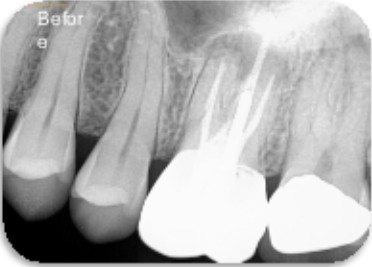
Most people picture a tooth as solid all the way through. In reality, a pulp chamber sits at the center, and branching off from it are thin tunnels called root canals filled with nerves, blood vessels, and tissue. When bacteria get in through a crack or deep cavity, infection sets in fast.
Traditional root canal treatment uses small metal files to clean this out, but the canal system isn’t perfectly round, so files often leave debris behind in curved corners and side branches.
How GentleWave Starts the Cleaning Process Differently
The procedure starts like any root canal. Local anesthesia is applied, and a small opening is made through the top of the tooth to reach the pulp chamber. That part is standard. What changes is everything after.
Instead of relying on files to scrape canal walls, the GentleWave system sends a continuous flow of treatment fluids into the tooth. Those fluids are activated using broad-spectrum acoustic energy, basically sound waves moving through liquid, creating a cleaning effect that no hand instrument can match.
Sound Waves Inside a Tooth: What That Actually Means
The acoustic energy causes fluid to move rapidly and form tiny bubbles through a process called cavitation. Those bubbles implode and release small bursts of energy that scrub canal walls, flush out bacteria, and break up debris deep inside the tooth, including in lateral canals and tiny fins that branch off the main tunnel.
Standard files clean the main canal but often miss these side spaces entirely, and that’s exactly where reinfection tends to start. For patients searching for GentleWave near you, this deeper clean is a key reason to choose this technology.
The Role of Continuous Fluid Flow in Deep Disinfection
The fluid inside the tooth never stops moving. A constant flow cycles through, carrying bacteria and debris out while fresh solution replaces it. The system uses sodium hypochlorite and other common endodontic irrigants, but continuous delivery is what makes the difference.
In a traditional root canal, these same solutions sit still and struggle to reach tight spaces. GentleWave pushes them deeper and keeps them active throughout the entire cleaning process, leaving the canal system far more thoroughly disinfected before sealing.
Sealing the Tooth After GentleWave Cleaning
Once the canal system is fully cleaned and disinfected, the endodontist seals it. This step is critical because an unsealed canal can allow bacteria back in. The sealing material fills the main canals and ideally flows into the smaller side branches that were just cleaned. Because GentleWave removes more debris and bacteria before sealing, the final seal tends to be more complete.
A crown is usually placed over the tooth afterward to protect it during chewing. Most patients leave the same day with minimal soreness that fades quickly.
Why Patients Often Need Fewer Appointments
Traditional root canal treatment sometimes requires two visits, especially for complex cases or significant infections. GentleWave’s thorough cleaning often allows the entire process to be completed in a single appointment. The canal system is cleaned so completely in one session that a second visit for additional cleaning is rarely needed.
For patients with busy lives, that’s a real advantage. Less time in the chair, less recovery between visits, and faster overall results. In addition, research has shown that the GentleWave procedure preserves more of the natural tooth structure compared to aggressive filing, which helps the tooth stay stronger long term.
What Recovery Looks Like After the Procedure
Most patients are surprised by how mild the recovery feels. Some tenderness around the treated tooth is normal for a day or two, especially when biting down. Over-the-counter pain relief handles this easily for most people. The GentleWave system’s gentler approach to cleaning means the surrounding tissue experiences less irritation than it might after aggressive mechanical filing.
Many patients return to normal activities the same day. Eating soft foods for the first 24 to 48 hours is a good idea until the tooth feels settled. For gentlewave treatment in Irvine, recovery is generally smoother and faster than patients expect.
What Patients Often Ask Before Choosing GentleWave
Straight Answers to the Questions That Actually Matter
Q1. Is the GentleWave procedure painful?
A1. No, the procedure is done under local anesthesia, so you won’t feel pain during treatment. Most patients report that it feels similar to getting a filling. Mild soreness afterward is normal and usually fades within a day or two.
Q2. How is GentleWave different from a regular root canal?
A2. A regular root canal uses small files to manually clean the canal. GentleWave uses acoustic energy and continuous fluid flow to clean deeper, including tiny side canals that files can’t reach. The result is more thorough disinfection with less mechanical stress on the tooth.
Q3. Does GentleWave work for all teeth?
A3. GentleWave works well for most teeth, including molars with complex root systems. Your endodontist will evaluate your specific tooth and X-rays to confirm it’s the right option for your case.
Q4. How long does the GentleWave procedure take?
A4. Most GentleWave procedures are completed in a single appointment lasting between 60 and 90 minutes. The thoroughness of the cleaning means a second visit is rarely necessary.
Q5. Is GentleWave covered by dental insurance?
A5. Many insurance plans cover root canal treatment as a standard procedure. GentleWave is a method of performing that treatment, so coverage often applies. It’s always smart to confirm with your insurance provider before your appointment.
Q6. Will I need a crown after GentleWave treatment?
A6. In most cases, yes. A crown protects the treated tooth from cracking under chewing pressure. Your endodontist will let you know what restoration is needed based on how much natural tooth structure remains.
Q7. How soon can I eat after a GentleWave root canal?
A7. Most patients can eat soft foods within a few hours of the procedure. It’s best to avoid chewing directly on the treated tooth until the final crown is placed.
Q8. What makes someone a good candidate for GentleWave?
A8. Anyone needing a root canal is potentially a good candidate, especially those with complex root systems, previous treatment failures, or a desire for a faster, more thorough option. An endodontist can confirm candidacy after reviewing X-rays and your dental history.
Your Tooth Deserves More Than a Good Enough Clean
The technology behind root canal treatment matters more than most people realize. GentleWave cleans the entire system inside a tooth, the main canals, side branches, and hidden spaces where bacteria hide, giving the seal a much better chance of holding long-term.
Irvine Endodontics brings this technology to patients in a calm, modern setting. We, as a trusted provider of gentlewave treatment in Irvine, combine advanced tools with a patient-first approach, from the first injection to the final seal.