
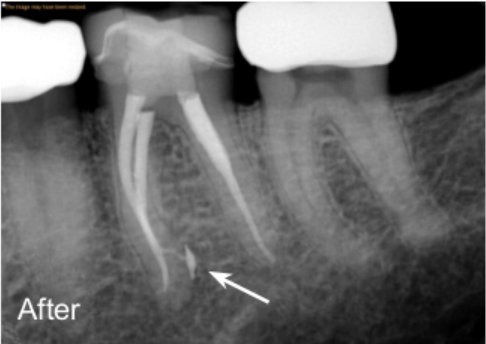
A missed canal is one of the most common reasons a tooth needs another visit, and it happens even to healthy-looking teeth. This guide explains why extra canals get overlooked, how they cause pain months or years later, and what a modern root canal retreatment in Irvine actually involves. You’ll also learn how to protect your smile going forward.
A Small Space with Big Consequences
Teeth are trickier than they look. That’s the blunt truth behind most failed root canals, and it’s rarely because someone did a bad job. Most of the time, a tiny extra canal hides inside the tooth and goes unnoticed during the first procedure. That one missed space can turn a “finished” root canal into a painful comeback story.
Why Do Canals Get Missed in the First Place?
Teeth aren’t built with a fixed number of canals. A molar might have three canals, or it might sneak in a fourth one that’s barely visible on an X-ray. Some canals curve sharply, split into two, or hide behind a wall of dentin.
Dentists work with the imaging tools available at the time, and older or lower-resolution scans simply can’t catch every hidden pathway. This is one reason so many patients eventually search for root canal treatment in Newport Beach after their first procedure doesn’t fully resolve the pain.
Genetics also plays a role here. Some people are simply born with more complex root systems than others. A tooth that looks routine on the surface can have a maze underneath, and that maze doesn’t always show up clearly until deeper imaging is used.
The Warning Signs That a Canal Was Missed
Pain that returns weeks or months after a root canal is the biggest red flag. Some patients notice it right away, while others feel a subtle ache that builds slowly over time. Here’s what to watch for:
- Pressure or discomfort when chewing on that tooth
- A dull ache that comes and goes without clear cause
- Sensitivity to hot or cold that shouldn’t still be there
- Swelling near the gum line or a small bump resembling a pimple
- Tenderness when tapping or pressing on the tooth
Some patients feel nothing unusual at all. The infection can sit quietly for years before an X-ray finally catches it during a routine checkup. That’s part of why regular dental visits matter even after a root canal is technically done.
How Dentists Catch a Missed Canal Today
Modern dentistry has made this problem far easier to catch than it used to be. Cone-beam CT scans give a 3D view of the tooth, showing curves and branches that flat X-rays miss completely. Dental microscopes let the dentist see canal openings that are smaller than a grain of rice. Together, these tools have made missed canals much less common, though they can still slip through on unusually complex teeth.
A few things that help dentists find hidden canals include:
- High-magnification dental microscopes for direct visual inspection
- 3D cone-beam imaging to map root anatomy before treatment
- Sodium hypochlorite testing to detect unusual canal shapes
- Ultrasonic instruments to clean out narrow, curved spaces
What Happens During a Retreatment
Retreatment sounds intimidating, but it’s a fairly straightforward process once you understand the steps. The dentist reopens the tooth, removes the old filling material, and searches for the canal that was missed the first time. Once it’s located, it gets cleaned, shaped, and sealed just like the other canals should have been from the start.
Local anesthesia keeps the procedure comfortable, and most patients describe it as feeling similar to their original root canal. Recovery is usually quick, with mild soreness for a day or two that fades on its own. A tooth that’s been properly retreated can function normally for many years afterward.
Retreatment Versus Extraction: Why It Matters
Losing a natural tooth changes more than just your smile. It affects chewing, jawbone density, and even the position of neighboring teeth over time. That’s why most dentists lean toward retreatment first, since it saves the natural tooth and avoids the added cost of implants or bridges later.
Extraction becomes necessary only when the tooth structure is too damaged to support another treatment, or if a crack has spread below the gum line. For nearly every other case, giving the tooth a second chance is the smarter long-term move.
Patients weighing their options for root canal retreatment in Irvine should ask directly whether their tooth is a good candidate for saving before agreeing to extraction.
Preventing the Need for a Second Procedure
There’s no foolproof way to guarantee every canal gets found on the first try, but a few habits lower the odds of complications. Choosing a dentist who uses updated imaging technology matters more than people realize. Following up on any lingering pain right away, instead of waiting it out, also makes a real difference. Small issues caught early are much easier to fix than ones left to spread.
Good home care after the procedure counts too. Brushing gently around the treated tooth, avoiding hard foods for the first few days, and keeping up with regular cleanings all support long-term success.
Frequently Asked Questions About Missed Canals and Retreatment
Q1. How common is it for a canal to be missed?
A1. It happens more often in molars with three or more canals, since extra branches are easier to overlook without advanced imaging.
Q2. Does a missed canal always cause pain?
A2. Not always. Some stay silent for months before showing up on an X-ray during a routine visit.
Q3. Is retreatment more painful than the original root canal?
A3. No, most patients report a similar or even more comfortable experience thanks to better tools and techniques.
Q4. How long does a retreatment procedure usually take?
A4. Most appointments run between 60 and 90 minutes, depending on how complex the canal system turns out to be.
Q5. Can a missed canal lead to tooth loss if left untreated?
A5. Yes, untreated infection can spread and eventually weaken the tooth structure enough to require extraction.
Q6. Will insurance typically cover a retreatment procedure?
A6. Many dental plans do cover retreatment, though coverage details vary, so checking with your provider beforehand is smart.
Q7. How do I know if my dentist uses 3D imaging?
A7. Simply ask before your procedure. Most modern practices are happy to explain the equipment they use.
Q8. Can a retreated tooth fail again?
A8. It’s rare but possible if new decay or a crack develops. Regular checkups help catch this early.
A Second Chance Worth Taking
A missed canal isn’t a reason to panic, and it definitely isn’t a reason to give up on a natural tooth. It’s simply a common anatomical surprise that modern dental technology is very good at fixing. With the right imaging and a careful hand, most teeth get a real second chance at lasting health.
We understand how frustrating it feels when pain returns after you thought your root canal was finished. Our team offers thorough root canal retreatment in Irvine, using advanced imaging and microscope-guided techniques to track down every hidden canal that needs to be treated properly.
If you’re dealing with lingering discomfort, we’re here to take a closer look and help you get real, lasting relief.