
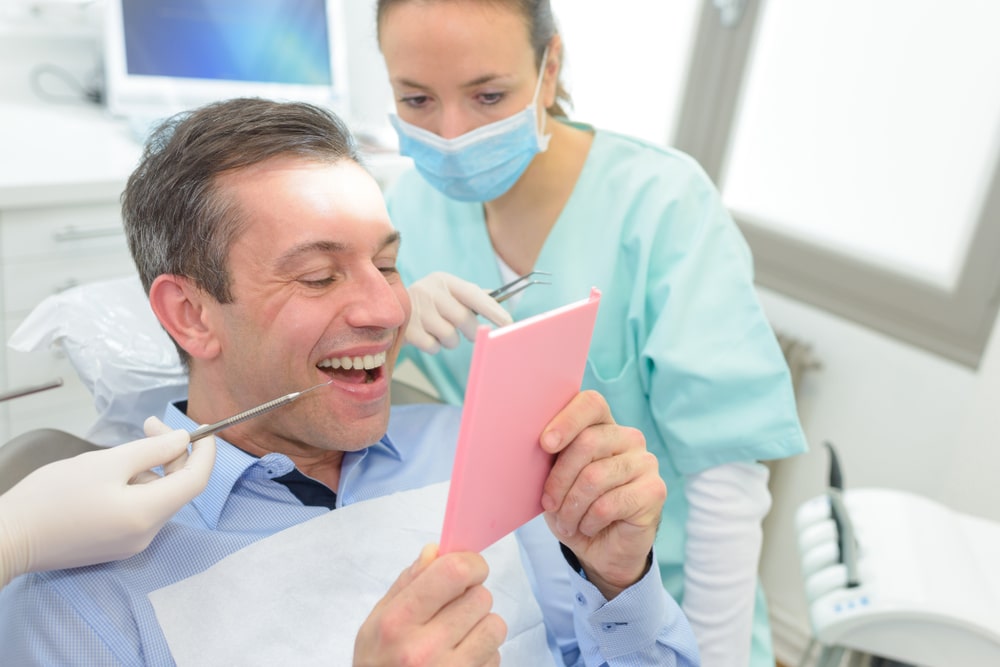
Tooth pain rarely waits for business hours, and picking the wrong place to go can waste hours or worsen the damage. This guide breaks down exactly when the ER makes sense, when urgent care is enough, and when you need an emergency endodontist specialist in Irvine.
Tooth Pain Doesn’t Wait for a Good Time
Nobody plans a dental emergency, and that’s exactly why so many people end up in the wrong waiting room. Tooth pain has a way of showing up at the worst possible moment, leaving you scrambling to figure out where to go. Picking the right place the first time saves hours, money, and sometimes the tooth itself.
Why This Decision Trips Up So Many People
Most people default to the ER the moment pain hits a certain level, and that instinct makes sense on the surface. Hospitals feel like the obvious answer for anything urgent. The problem is that most ERs don’t have a dentist on staff, so they can only offer pain medication and antibiotics rather than actually treating the tooth.
That leaves patients back where they started, just with a prescription and the same underlying problem. Understanding the real differences between these three options changes everything about how fast you get actual relief.
When the Emergency Room Is Genuinely the Right Call
The ER earns its place for a narrow set of situations, and tooth pain alone usually isn’t one of them. Go straight to the ER if facial swelling starts affecting your breathing or swallowing, since that signals the infection may be spreading beyond the tooth. A jaw injury involving a possible fracture also belongs in an ER, not a dental office.
Heavy, uncontrolled bleeding after an accident is another clear ER situation. These cases involve risks that go beyond what any dental office is equipped to handle, so speed and hospital-level care genuinely matter here.
What Urgent Care Can and Can’t Actually Fix
Urgent care clinics fill a useful gap for general medical issues, but dental problems sit outside their usual scope. A doctor there can prescribe antibiotics for an infection or pain medication to get you through the night. What they can’t do is diagnose which tooth is the source or perform the actual procedure needed to fix it.
That gap matters more than people realize, since delaying real treatment allows infection to keep spreading underneath the surface. A few things urgent care typically handles reasonably well include:
- Short-term pain management with prescription medication
- Antibiotics for visible swelling or infection
- Basic wound care for cuts to the lips or gums
- Guidance on whether a same-day dental visit is needed
Why an Endodontist Is Often the Fastest Path to Relief
An endodontist specializes in exactly the kind of pain that starts deep inside a tooth. That specialty training means faster, more accurate diagnosis compared to a general provider seeing a dental emergency for the first time that day. Advanced imaging and microscope-guided tools let a specialist locate the exact source of pain within minutes, cutting out the guesswork that often slows down treatment elsewhere.
Going straight to an emergency endodontist in Irvine during a flare-up connects you with someone equipped to treat the tooth on the spot, not just manage symptoms. That direct route often resolves the problem in a single visit instead of bouncing between multiple providers. A few reasons this path tends to work faster:
- Specialist training focused entirely on pulp and root canal issues
- On-site imaging that pinpoints the problem tooth immediately
- Same-day and walk-in slots are reserved for urgent pain cases
- Treatment performed during the visit, not just symptom management
- Fewer referrals needed compared to general dental offices
Choosing this route from the start often means walking out of one appointment already treated, rather than waiting days for a follow-up procedure elsewhere.
How to Tell Which Category Your Pain Falls Into
A throbbing tooth that keeps you up at night, sensitivity that lingers long after hot or cold contact, or a small bump near the gum line all point toward a pulp problem that needs specialist attention.
Swelling confined to one area of the face, without breathing difficulty, still fits the endodontic category rather than the ER. Cracked or chipped teeth from an accident, even without visible pain yet, are worth a same-day evaluation too.
That instinct to search for emergency endodontists near you, rather than defaulting to a hospital visit, usually gets people into treatment faster. Local providers who specialize in urgent tooth pain tend to surface quickly once you know what to search for, cutting out the guesswork of calling multiple offices. Trusting that instinct over habit is often what makes the biggest difference in how fast the pain actually stops.
What Happens During a Same-Day Endodontic Visit
Walking into an emergency dental appointment feels less intimidating once you know the general flow. The specialist starts with a quick exam and usually a digital X-ray or CBCT scan to pinpoint the source of pain. From there, treatment moves straight into addressing the infected or damaged pulp, often within the same appointment.
Local anesthesia keeps the procedure comfortable throughout, and most patients leave with significant relief the same day. Recovery instructions and any necessary follow-up get covered before you head home, so nothing feels left hanging.
Frequently Asked Questions About Emergency Tooth Pain
Q1. Should I go to the ER for a really bad toothache?
A1. Only if swelling affects your breathing or swallowing. For pain alone, a specialist treats the actual tooth faster and more effectively than any hospital setting can.
Q2. Can urgent care actually perform a root canal?
A2. No, urgent care clinics can manage pain and prescribe antibiotics, but they can’t perform dental procedures since that requires specialized training, tools, and equipment they don’t have.
Q3. How fast can I get seen by an endodontist for emergency pain?
A3. Many specialist offices offer same-day appointments specifically for urgent pain cases, often getting patients into a chair within just a few hours of calling.
Q4. Is a knocked-out tooth an ER situation or a dental one?
A4. It’s a dental emergency, and getting to a specialist within an hour gives the tooth its best chance of being saved and reattached successfully.
Q5. What if I can’t tell how serious my tooth pain is?
A5. Call a specialist office directly, since trained staff can ask the right questions and help determine urgency before you decide where to go.
Q6. Do antibiotics alone fix an infected tooth?
A6. No, antibiotics only slow the infection temporarily. The actual source stays inside the tooth and still needs proper endodontic treatment to fully resolve it.
Q7. Are emergency endodontic visits more expensive than regular appointments?
A7. Pricing varies by case complexity, though many offices offer comparable rates for urgent and scheduled visits, so cost shouldn’t discourage getting help quickly.
Q8. What should I bring to an emergency dental appointment?
A8. Bring your ID, insurance information if available, and any previous dental records or X-rays related to the affected tooth, if you have them handy.
Getting to the Right Door the First Time
Tooth pain rarely follows a convenient schedule, and knowing where to go the moment it strikes makes all the difference in the outcome. The ER has its place for true medical emergencies, urgent care fills a narrow gap, and a specialist almost always offers the fastest real fix. Recognizing which category your situation falls into saves you from wasted trips and prolonged pain.
We designed Irvine Endodontics around exactly this kind of urgency, keeping same-day slots available for patients dealing with sudden, severe tooth pain.
We implement advanced imaging and expert training to diagnose and treat the source quickly, whether it’s a hidden infection or a fresh injury. So, if you’re facing tooth pain right now, we as an endodontist in San Diego or the Irvine area, are ready to get you out of pain and back to your day.