
A tooth infection can go from mildly annoying to genuinely dangerous faster than most people expect. This blog explains the specific warning signs that separate a routine toothache from a true medical emergency and when it’s time to seek an emergency root canal in Irvine, CA. Knowing these signs early can protect your health and save the tooth before things escalate.
Why a Tooth Infection Isn’t Always “Just” a Toothache
A tooth infection can turn dangerous faster than most people realize. That single fact surprises a lot of patients who assume dental pain is only ever a dental problem, never a medical one. The truth is, an infection that starts in a single tooth can spread into surrounding tissue, the jaw, and in rare cases, even deeper into the body.
Bacteria don’t stay put once they get inside a tooth’s pulp. Left untreated, an infection can travel through the bone and into the soft tissue of the face, neck, or throat. That’s what separates a routine cavity from a genuine tooth pain emergency in Irvine, CA.
The tricky part is that early symptoms often look mild. A little sensitivity or a dull ache doesn’t scream emergency, so people wait it out longer than they should. Understanding how fast things can shift is the first step toward avoiding a much bigger problem later.
The Early Signs That Still Count as Urgent
Not every infection announces itself with dramatic symptoms right away. Persistent throbbing pain that doesn’t ease up with over-the-counter medication is one of the clearest signals that something is wrong, especially when it lingers for more than a day or two.
Sensitivity to hot or cold that stays for more than a few seconds after contact also points toward pulp involvement rather than simple decay. Catching these signs early usually means faster treatment and a much simpler path to relief. A few other early warning signs worth watching for include:
- A small bump on the gum, sometimes called a gum boil, which often means pus is collecting underneath
- A bad taste or odor that doesn’t go away with brushing
- Tenderness when biting down or chewing on that side
- Mild swelling along the gum line near one specific tooth
- Discoloration on the tooth itself, especially a grayish tint
None of these need to feel dramatic to matter. Acting on them early is what keeps a small problem from becoming a bigger one.
When Symptoms Cross the Line Into Dangerous Territory
Some symptoms move a tooth infection out of routine dental territory and into something that needs immediate attention. A few red flags mean it’s time to act right away, not wait until morning:
- Swelling that spreads to the eye, neck, or under the jaw
- Difficulty breathing or swallowing
- A fever above 101 degrees, paired with facial swelling
- Rapid heartbeat combined with confusion or dizziness
- Swelling that closes one eye partially or fully
Any of these signs points toward a possible spreading infection, and that’s genuinely dangerous. The tissue surrounding the jaw connects to pathways that lead toward the airway and, in rare cases, the bloodstream.
The Medical Reality Behind Spreading Infections
A dental abscess left untreated can develop into a condition called Ludwig’s angina, a serious infection of the floor of the mouth that can block the airway. This isn’t common, but it’s exactly why doctors and dentists take facial swelling seriously instead of brushing it off. The distance between a tooth root and vital structures in the neck is smaller than most people assume.
Sepsis is another rare but real risk when a dental infection goes untreated for too long. Bacteria entering the bloodstream can trigger a body-wide response that becomes life-threatening without fast treatment. These outcomes are uncommon, but they underline why persistent swelling and fever should never be ignored.
Getting the Right Treatment at the Right Time
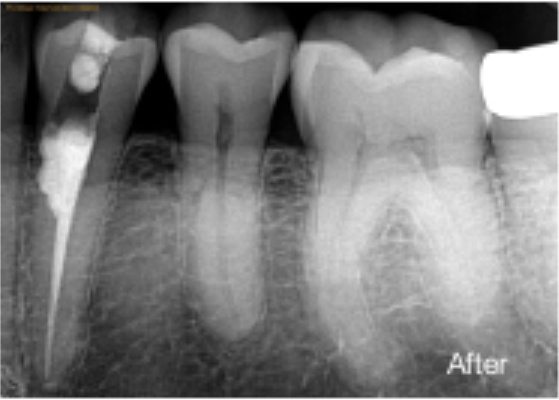
Most tooth infections don’t reach the dangerous stage, especially when patients act on early symptoms instead of waiting. An emergency root canal in Irvine removes the infected pulp tissue, cleans the canal system, and seals the tooth to stop the infection from spreading further. This procedure directly addresses the source, unlike antibiotics alone, which only slow bacterial growth temporarily.
Same-day treatment matters here because delays give bacteria more time to travel beyond the tooth. A specialist equipped with proper imaging can pinpoint exactly where the infection sits and treat it in a single focused visit, often resolving pain within hours rather than days.
What to Do While Waiting to Be Seen
Getting to treatment quickly matters most, but a few steps can help manage discomfort in the meantime. Rinsing gently with warm salt water helps reduce bacteria near the surface without irritating the area further. A cold compress against the outside of the jaw can ease swelling, though it should never be applied directly to the gum.
Avoid chewing on the affected side, and skip aspirin placed directly on the gum, since that can actually burn the tissue rather than help it. These steps buy some comfort, but they’re not a substitute for getting the tooth properly treated.
Straight Talk on Infection Warning Signs
Q1. How quickly can a tooth infection spread to other parts of the body?
A1. It varies by case, but bacteria can travel through bone and soft tissue within days, especially once swelling appears near the jaw, neck, or throat area.
Q2. Is facial swelling always considered an emergency?
A2. Not every case is severe, but swelling that spreads toward the eye or throat, or interferes with breathing or swallowing, always requires immediate medical or dental attention.
Q3. Can antibiotics alone cure a tooth infection completely?
A3. No, antibiotics only slow bacterial growth temporarily. The infected pulp tissue inside the tooth still needs to be removed through proper endodontic treatment to fully resolve it.
Q4. What does a dental abscess typically feel like to a patient?
A4. Most patients describe constant, throbbing pain along with noticeable tenderness when biting down, plus possible swelling, warmth, or a small bump near the affected gum line.
Q5. How do I know if my toothache actually needs same-day treatment?
A5. Persistent pain lasting more than a day or two, especially combined with swelling, fever, or a bad taste in the mouth, usually signals that urgent evaluation is needed.
Q6. Can a simple tooth infection actually cause a fever?
A6. Yes, a fever often means the infection has moved beyond the tooth itself into surrounding tissue, and it should prompt a same-day visit rather than waiting.
Q7. What actually happens during an emergency root canal appointment?
A7. The specialist removes infected pulp tissue, cleans and shapes the canal system, then seals the tooth, often relieving significant pain within that same single appointment.
Q8. Is it a good sign if tooth pain suddenly disappears on its own?
A8. Not necessarily. Sudden pain relief can mean the nerve inside has died, so the tooth still needs evaluation and treatment even without ongoing discomfort.
Taking Warning Signs Seriously Before They Escalate
A tooth infection rarely stays small on its own. The gap between mild discomfort and a genuine medical concern can close within days, sometimes hours, once swelling or fever enters the picture. Watching for those shifts, rather than hoping the pain fades, is what keeps most cases from turning into something worse.
Irvine Endodontics sees this urgency firsthand, which is why same-day visits stay open for patients facing a sudden emergency root canal in Irvine, CA.
Advanced imaging allows us to find the source of an infection fast, so treatment starts the same day pain shows up, not days later. Swelling, fever, or a toothache that won’t let up deserves a real answer, and that’s exactly what we’re set up to give.