
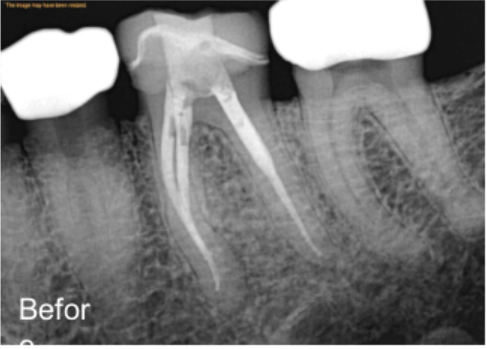
Not every toothache actually needs a root canal, even when the pain feels severe. A thorough specialist runs several checks before confirming that diagnosis, and skipping those steps can lead to unnecessary treatment. This blog walks through exactly what a root canal specialist in Orange County looks for before recommending treatment, so you know what a real diagnosis actually involves.
The Diagnostic Process Behind Every Root Canal Recommendation
A root canal recommendation should never come from guesswork. That’s the standard a real specialist holds themselves to, since jumping straight to treatment without proper diagnosis can lead to unnecessary procedures or, worse, missing the actual source of pain entirely. Several specific checks happen before that diagnosis gets confirmed, and understanding them helps patients feel confident in the plan.
Why a Quick Look Isn’t Enough
Tooth pain has a habit of pointing in the wrong direction. Pain from a sinus issue, a cracked filling, or even a problem in a neighboring tooth can feel almost identical to pulp-related pain. Jumping to a root canal recommendation without ruling out these other causes risks treating a tooth that was never the real problem.
A thorough evaluation takes time precisely because the stakes are high. Removing pulp tissue is permanent, so confirming the diagnosis accurately protects patients from a procedure they didn’t actually need.
The Symptom Review That Starts Everything
Before any imaging happens, a specialist asks detailed questions about the pain itself. How long has it lasted, does it linger after hot or cold contact, and does biting down make it worse? These answers narrow down the likely cause long before any tool touches the tooth.
Patients sometimes downplay symptoms that actually carry real diagnostic weight, like pain that wakes them up at night or discomfort that shifts location over a few days. Getting a full, honest symptom history is often the single most useful piece of the entire evaluation.
Cold and Heat Testing on the Tooth
Pulp vitality testing tells a specialist if the nerve inside a tooth is still alive, dying, or already dead. Applying a cold stimulus and measuring how the tooth responds reveals a lot about what’s actually happening inside. A tooth with a healthy pulp responds briefly, and the sensation fades quickly once the stimulus is removed.
Lingering pain after the cold source is gone usually signals irreversible pulp damage, which points toward treatment being necessary. A tooth that shows no response at all often means the pulp has already died, which also confirms the need for root canal therapy.
Percussion and Bite Testing
Gently tapping on a tooth reveals information a patient often can’t describe on their own. Sharp pain during this tapping test usually points toward inflammation around the root tip rather than inside the pulp chamber itself. Combined with a bite test, this helps pinpoint exactly which tooth is causing the problem, since referred pain frequently confuses even experienced clinicians.
This step matters more than people realize, since treating the wrong tooth wastes time and doesn’t solve the actual pain. A careful percussion test often changes the entire direction of a diagnosis.
Imaging That Confirms What’s Happening Beneath the Surface
Digital X-rays reveal bone changes around the root tip that indicate infection, even in teeth with minimal surface symptoms. A cone-beam CT scan goes further, offering a 3D view that catches details a flat X-ray simply can’t show. A few things this imaging typically reveals include:
- Bone loss or dark shadows around the root tip
- Cracks running through the root that aren’t visible from the surface
- Extra or hidden canals that affect treatment complexity
- Calcification that has narrowed or blocked a canal over time
Together, these images either confirm active infection or rule it out entirely, which directly shapes the final diagnosis.
Why This Process Also Shapes Your Root Canal Cost
A more complex diagnosis naturally leads to a different treatment path, and that complexity affects root canal cost estimates in Orange County before treatment even begins. A straightforward single-canal front tooth costs less to treat than a molar with hidden or curved canals discovered during imaging. Getting a clear diagnosis upfront means the cost estimate patients receive actually reflects the real work involved.
Patients sometimes feel frustrated by cost differences between providers, without realizing that the diagnostic depth behind the number often explains the gap. A specialist who runs a full evaluation before quoting a price gives a far more accurate estimate than one relying on a quick glance.
When the Answer Isn’t a Root Canal at All
Sometimes a thorough evaluation reveals that root canal treatment isn’t actually the right answer. A deep cavity that hasn’t reached the pulp might only need a filling. A cracked tooth without pulp involvement could simply need a crown to stabilize it.
A responsible root canal specialist in Orange County explains these alternatives clearly instead of defaulting to the more involved procedure. That honesty protects patients from paying for treatment they don’t actually need, and it builds trust that pays off for future visits too.
Frequently Asked Questions About Root Canal Diagnosis
Q1. How does a specialist know if I actually need a root canal?
A1. A specialist combines your symptoms, dental history, pulp vitality testing, percussion testing, bite evaluation, and digital imaging to build a complete picture. No single test provides the answer on its own, which is why multiple findings are used before recommending root canal treatment.
Q2. Can a toothache be something other than a root canal problem?
A2. Yes. Tooth pain can result from sinus pressure, gum disease, a cracked filling, teeth grinding, bite problems, or tooth sensitivity. A thorough examination helps identify the true cause so you receive the right treatment instead of an unnecessary root canal.
Q3. What does cold testing actually feel like during an exam?
A3. Cold testing creates a brief, cool sensation that lasts only a few seconds. The dentist evaluates how strongly the tooth responds and how quickly the feeling disappears, helping determine whether the dental pulp is healthy, inflamed, or no longer vital.
Q4. Why does percussion testing matter so much?
A4. Percussion testing involves gently tapping the tooth to check for tenderness around the root. Because dental pain often spreads to nearby teeth, this simple test helps pinpoint the actual source of the discomfort and supports an accurate diagnosis.
Q5. Is a cone-beam CT scan always necessary for diagnosis?
A5. No. Many cases can be diagnosed with a clinical exam and standard digital X-rays. A cone-beam CT scan is usually recommended only when root anatomy is complex, previous treatment exists, or conventional imaging doesn’t provide enough information.
Q6. Can imaging alone confirm the need for a root canal?
A6. Imaging is an important diagnostic tool, but it doesn’t tell the whole story. Specialists also consider your symptoms, pulp vitality tests, and clinical findings to confirm whether the tooth’s nerve is damaged enough to require root canal treatment.
Q7. Does a thorough diagnosis affect how much treatment costs?
A7. Yes. A detailed evaluation reveals factors such as the number of canals, infection severity, previous dental work, and root complexity. Understanding these details allows your specialist to recommend the most appropriate treatment and provide a more accurate cost estimate.
Q8. What happens if the evaluation shows I don’t need a root canal?
A8. If testing shows the pulp is healthy or another condition is causing your symptoms, your specialist will explain the findings and recommend a more appropriate treatment. This approach helps preserve healthy tooth structure and avoids unnecessary procedures.
Protect Your Tooth With an Accurate Diagnosis
Getting an accurate answer matters just as much as getting fast treatment, and a rushed diagnosis risks treating the wrong problem entirely. Every check in this process exists to protect the tooth and the patient from unnecessary procedures. That thoroughness is what separates a confident recommendation from a guess.
Our approach at Irvine Endodontics starts with exactly this kind of full evaluation, combining symptom review, vitality testing, and advanced imaging before any treatment plan gets confirmed. For patients concerned about root canal cost in Orange County, a careful diagnosis can often prevent unnecessary treatment and unexpected expenses.
If you’re unsure whether your tooth actually needs a root canal, we’re here to provide a clear diagnosis and explain every recommendation before moving forward.