Most upper molars are supposed to have three canals, but a sneaky fourth one hides in roughly half of them. That extra canal is exactly why some root canals take longer, cost more, or need a specialist instead of a general dentist. This blog breaks down where this hidden canal hides and why finding a root canal expert in Orange County actually matters.
One Hidden Canal, a Whole Different Procedure
Not every root canal is created equal, and one sneaky little canal is usually to blame. Upper first molars are notorious for hiding a fourth canal that doesn’t always show up on a standard X-ray. That single extra pathway explains why some root canals wrap up in under an hour while others stretch into multiple visits.
Where This Extra Canal Actually Hides
Most upper molars have three roots, and each root typically holds one canal, adding up to three total. The fourth canal tends to hide inside the mesiobuccal root, tucked so close to the main canal that it’s easy to miss without the right tools. Dentists call this hidden pathway the MB2 canal, and it shows up in a surprisingly large percentage of upper molars.
Studies using high-resolution imaging have found this extra canal in well over half of upper first molars, sometimes reported as high as 90 percent, depending on the study and imaging method used. That’s a huge number for something so easy to overlook on a flat, two-dimensional X-ray.
Why Standard X-Rays Miss It So Often
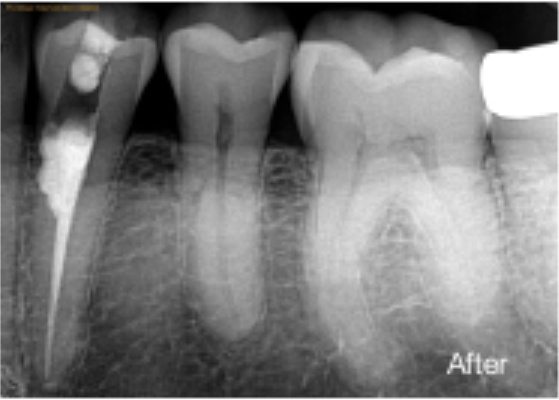
Traditional X-rays flatten a three-dimensional tooth into a two-dimensional image, and that flattening hides overlapping canals almost by design. The MB2 canal often sits directly behind or beside the main mesiobuccal canal, so the two shadows blend together on film. A dentist without specialized training can easily read that blended shadow as a single canal instead of two.
This isn’t a matter of carelessness; it’s simply a limitation of the imaging tool itself. Providers offering advanced root canal treatment in Orange County typically rely on cone-beam CT scans instead, since these produce a true 3D map of the tooth’s internal anatomy.
The Tools That Actually Catch This Canal
Finding the MB2 canal reliably requires equipment that goes beyond what a general dental office typically keeps on hand. A few tools make the biggest difference here:
- Cone-beam CT imaging for a full 3D view of root anatomy
- Dental operating microscopes for direct visual inspection at high magnification
- Ultrasonic tips for precisely troughing the canal floor
- Sodium hypochlorite bubble testing to reveal hidden canal openings
Combining these tools dramatically raises the odds of locating every canal during the first procedure, which lowers the chance of needing retreatment later.
Why This Canal Makes Treatment Harder
The MB2 canal isn’t just hard to find, it’s also awkward to treat once located. It’s often extremely narrow, sometimes curving sharply before merging back into the main canal near the root tip. Cleaning and shaping a canal that thin, without damaging the surrounding tooth structure, takes a steady hand and specialized instruments.
Some MB2 canals even split further into smaller branches before reconnecting, adding another layer of complexity most general dentists aren’t trained to navigate. That’s part of why complicated upper molar cases often get referred out to a specialist rather than treated in a general practice.
What This Means for Treatment Time and Cost
A root canal involving a hidden fourth canal naturally takes longer than a straightforward, three-canal case. Locating, cleaning, and sealing an extra canal adds real time to the appointment, and that added complexity can affect overall cost. Patients sometimes feel surprised by this difference without understanding the anatomy behind it.
An experienced endodontist in Orange County can usually explain this upfront, once initial imaging reveals how many canals a specific tooth actually has. Knowing this ahead of time helps set realistic expectations instead of leaving patients confused about why one root canal costs more than another they’ve had before.
Signs Your Case Might Involve a Hidden Canal
Certain clues during an exam can hint that a tooth might have this extra canal before treatment even begins. Upper first molars carry the highest odds, simply based on their typical anatomy, and a specialist equipped with proper imaging can usually confirm within minutes if a hidden canal is present. A few signs worth flagging during an evaluation include:
- Persistent symptoms after a previous root canal on an upper molar
- Ongoing sensitivity or pressure that doesn’t match the treated canal count
- A prior treatment record showing only three canals on an upper first molar
- Recurring swelling or tenderness near a molar that was already treated
Previous failed treatment on an upper molar remains one of the strongest indicators worth investigating further. Catching these clues early often points straight to the real source of lingering pain or infection.
Why Choosing an Experienced Provider Matters Here
Not every dental office is equipped to handle the added complexity this canal introduces. General dentists provide excellent care for straightforward cases, but complex anatomy calls for someone with specialized training and the right diagnostic tools, especially for upper molars where the odds of a hidden canal run high.
A provider with real experience in this area typically offers:
- Cone-beam CT imaging available for accurate 3D diagnosis
- Microscope-guided treatment for precise canal location
- A track record with complex or previously failed molar cases
- Clear communication about anatomy before treatment begins
Choosing that level of experience upfront reduces the chance of needing a second procedure down the road, which tends to save both time and money compared to dealing with a failed treatment later.
Frequently Asked Questions About Hidden Canals and Complex Root Canals
Q1. How common is it for upper molars to have a fourth canal?
A1. Research shows it appears in well over half of upper first molars, making it one of the most frequently missed canals in dentistry.
Q2. Why don’t all dentists check for this extra canal?
A2. Finding it reliably usually requires advanced imaging and microscope-assisted techniques that aren’t standard equipment in every general dental office.
Q3. Does having a hidden canal mean my root canal will fail?
A3. Not if it’s properly located and treated. Missing it during the original procedure is what leads to future complications.
Q4. Can a general dentist treat a tooth with a suspected MB2 canal?
A4. Some can, though complex cases are often referred to a specialist with more advanced tools and training.
Q5. Is treatment more painful when an extra canal is involved?
A5. No, local anesthesia manages discomfort the same way regardless of how many canals are treated during the procedure.
Q6. How long does treatment take when a hidden canal is present?
A6. It typically adds extra time to the appointment, often extending a routine visit by 20 to 40 minutes depending on complexity.
Q7. Will insurance cover the added cost of treating a hidden canal?
A7. Many plans do cover it as part of standard root canal therapy, though coverage details vary by provider.
Q8. Can imaging confirm the presence of a hidden canal before treatment starts?
A8. Yes, cone-beam CT scans can reveal extra canals in advance, allowing the provider to plan treatment more accurately.
Getting the Full Picture Before Treatment Begins
Hidden anatomy explains far more dental frustration than most patients ever realize. A canal too small to see on a flat X-ray can be the entire reason a tooth keeps causing problems long after treatment seemed finished. Working with a provider who actively looks for that hidden complexity changes the outcome significantly.
We, as endodontists in Orange County, rely on cone-beam imaging and microscope-guided technique for exactly this reason, since guessing has no place in a procedure this precise. We check for every canal a tooth might hide, not just the ones a standard X-ray happens to show. That’s the standard we hold every case to at Irvine Endodontics.